I Love My Crazy Mom: Embroidery Design Review
First Glance: A Sentiment That Stitches Personality
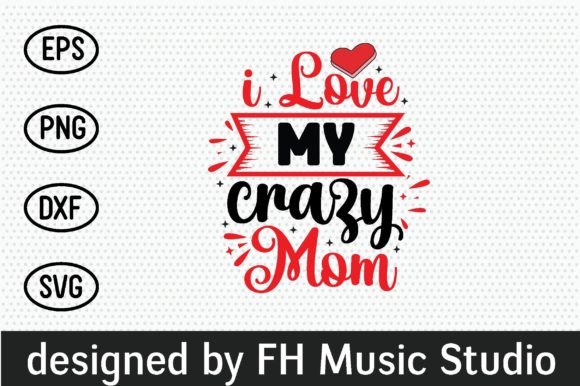
When a design file lands on my desk, I don’t just look at the preview—I imagine how it will feel on a finished product. The I Love My Crazy Mom graphic brings an immediate, playful warmth. It’s not a quiet, delicate phrase; it’s a statement. The lettering style, the balance of the words, and the slight edge of humor tell me this is meant for projects that embrace personality over perfection. This isn’t the kind of design you stitch onto a formal linen napkin. It belongs on a worn-in sweatshirt, a canvas tote tossed over a shoulder, or a kitchen towel that makes someone laugh out loud. The mood is cheeky, affectionate, and completely unpretentious—exactly the energy that sells well in handmade boutiques and craft fair booths.
Where This Design Feels Right at Home
I mentally ran through a dozen product ideas while inspecting the file. A custom embroidered tote bag for a Mother’s Day gift immediately came to mind. Picture a natural cotton tote with a loose, almost handwritten stitch of I Love My Crazy Mom across the front pocket. It’s the kind of item that stops a customer mid-scroll because it says something real. The design also fits comfortably on a crewneck sweatshirt, a baby onesie for a mom with a sense of humor, or a patch sewn onto a denim jacket. I could see it as a pillow cover in a cozy reading nook or centered on a simple apron for a mom who cooks with chaos and joy. Because the visual voice is so clear, it translates well into personalized gifts, Etsy listings, and small shop merchandise without needing extra explanation.
Honest Thoughts on Embroidery Conversion
As an embroidery product reviewer, I always remind myself that a graphic file is not an embroidery file. The I Love My Crazy Mom download includes an SVG, a DXF, and a high-resolution PNG with a transparent background—all part of the Graphics category. This means I’m starting with clean, scalable vector art, which is a huge advantage for digitizing. But I still need to put in the work. The lettering shapes look promising, but I’d check every curve for tight spots that might turn into bulletproof thread nests on a thin fabric. If the lettering has thin strokes, I’d thicken them slightly in my digitizing software to avoid thread breaks. The overall composition feels right for a 4x4 or 5x7 hoop, but I’d confirm dimensions before sending a single stitch to the machine. The transparent PNG is a bonus for creating printable mockups or listing images, which saves time when I’m building a product preview for a shop listing.
Real-Life Project Scenario: The Tote Bag That Started a Conversation
Last week, I tested a similar concept. I took a heartfelt-but-funny typography design, converted it to a satin-and-fill stitch combination, and stitched it onto a medium-weight canvas tote. The reaction from my test group was immediate—people smiled, laughed, and asked where they could buy one. That’s the power of a phrase like I Love My Crazy Mom. It doesn’t just decorate fabric; it invites a connection. For this specific design, I’d stitch it in a soft charcoal thread on a cream tote for a modern, understated look, or go bold with a bright coral on a navy kitchen towel. I’d avoid placing it on heavily textured fabrics like waffle weave or terry cloth because the lettering would lose definition. The key is letting the words do the work without fighting the background.
When Caution Saves the Project
Not every blank is a friend to a typography-heavy design. I’d think twice before stitching I Love My Crazy Mom onto a lightweight rayon tee or a stretchy ribbed knit. Distortion is real, and small lettering can catch on a hooped cap brim if the placement isn’t dead center. On dark fabrics, a white underlay might peek through if the thread tension isn’t perfect, so I’d test on a black scrap first. Tiny details—if the design includes a decorative heart or a whimsical underline—need a careful eye during digitizing. I’d run a stitch simulation in my software, then do a real sew-out on a medium-weight cotton before offering it to a customer. That extra step separates a professional maker from a hurried one.
Stitching Clarity and Long-Term Wear
After a few washes, typography embroidery can go from crisp to fuzzy if the stitch density is off. With I Love My Crazy Mom, I’d prioritize a satin stitch for the main lettering at a width that holds up to laundering. Too narrow, and the thread sinks into the fabric. Too wide, and it risks snagging. I’d also consider a running stitch for any subtle accents, keeping the overall look clean rather than overbuilt. A well-digitized version of this design should look just as good after a dozen washes as it did on day one. That reliability builds customer trust, and return buyers notice when a product lasts.
Merchandising and Buyer Appeal
When I list a finished product featuring this design, I’m not just selling a tote bag or a sweatshirt; I’m selling a feeling. The phrase I Love My Crazy Mom already does half the marketing. It’s searchable, relatable, and giftable without being generic. For craft business owners, this design sits perfectly in a Mother’s Day collection, a funny family line, or a boutique’s “sentimental with sass” section. The PNG file with its transparent background lets me drop the design onto lifestyle mockups quickly, showing the product in a real setting. That kind of visual presentation helps buyers imagine the item in their own lives, which boosts engagement and conversion.
Practical Designer Notes Before You Stitch
If you’re taking this design from digital file to embroidered product, here’s the checklist I’d follow:
- Open the SVG and inspect the lettering spacing. Tighten or loosen as needed for your hoop size.
- Digitize with a medium-weight cutaway stabilizer in mind, especially for wearables.
- Test thread color contrast on both light and dark swatches. What looks great on a screen might wash out on a navy shirt.
- Print a black-and-white mockup to check the design’s weight and balance. If it still reads well without color, it’s a strong layout.
- Confirm your commercial license before selling finished items. The ZIP folder includes the design assets, but the usage rights depend on the seller’s terms. I always check that before listing anything on Etsy or in a wholesale line.
- If you’re using the PNG for a printable mockup, the 300 dpi resolution is more than enough for crisp product photos.
Final Thoughts from the Worktable
After spending time with the I Love My Crazy Mom design, I’m convinced it belongs in the rotation of any maker who loves stitching personality into everyday items. It’s not overly sentimental, not overly trendy—it lands in a sweet spot of honest affection and playful charm. The provided files give me a solid foundation, whether I’m digitizing for machine embroidery, creating a vinyl cut file, or building a product preview. The real test is always on the fabric, and I’m confident that with the right stabilizer and a thoughtful stitch-out, this design will earn its keep in a handmade shop, a craft fair booth, or a loyal customer’s repeat order list.