Spooky Bonus Mom: A Designer's Take for Real Embroidery Projects
When a new design file lands in my project folder, my first thought isn't about the download—it's about the stitchout. I look at a design like Spooky Bonus Mom and immediately start picturing it embroidered on fabric, held up in a client’s hands, or sitting in my shop’s product lineup. This is a designer’s review, grounded in the practical realities of hoop, thread, and stabilizer.
The Immediate Mood & Where It Belongs
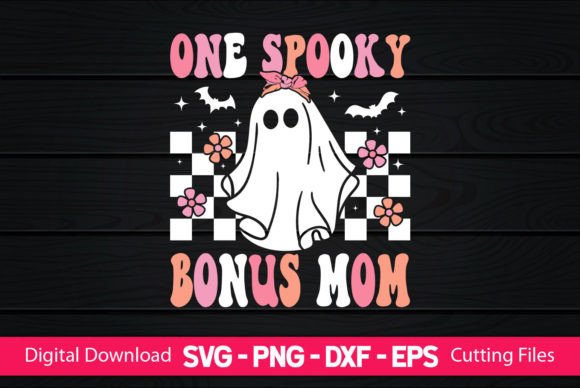
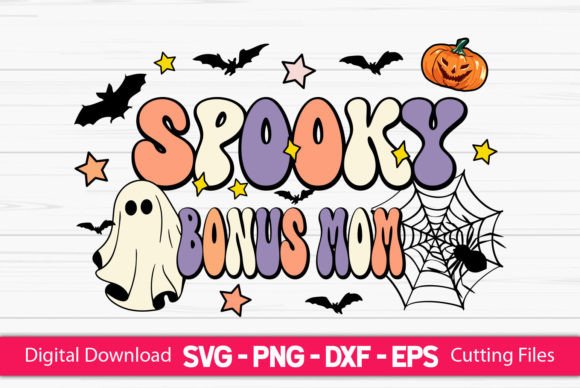
The phrase “Spooky Bonus Mom” itself sets a wonderful, specific tone. It’s playful, affectionate, and perfectly niche. This isn’t a generic Halloween graphic; it’s a personal celebration of a non-traditional family role with a ghostly twist. Visually, as a digital file for embroidery, the mood hinges entirely on your execution. The typography and layout will dictate the final personality. A clean, slightly whimsical font style would make this feel like a charming, wearable badge of honor. A more jagged, dramatic script would lean into the “spooky” aspect. This design naturally belongs on items meant as a personal, inside-joke kind of gift or a statement piece for someone who embraces their unique family title.
Perfect Project Pairings
I can see this design shining on a few specific products. A custom embroidered tote bag for a “bonus mom” who carries everything for her crew would be a heartfelt and useful gift. On the left chest of a relaxed-fit sweatshirt, it becomes a cozy, personal statement apparel item. As a small, finished patch, it offers incredible versatility—she could attach it to a backpack, a jacket, or even a pillow cover in a teen’s room. For a boutique focusing on modern family themes or holiday gifts, this on a set of kitchen towels or an apron could be a standout product. The key is pairing it with a base item that feels personal and useful.
Performance on Real Fabrics & Products
Moving from the digital preview to the stitched reality is where the real judgment happens. For a design centered on text like this, clarity is paramount. On custom apparel like t-shirts or baby clothes, you must consider fabric texture and stretch. A lightweight tee will need a solid stabilizer to prevent puckering, especially if the design has any dense fill stitch areas within the lettering or accompanying graphics. For a tote bag made of canvas or denim, the thicker fabric will hold the stitches well, but you might adjust stitch density to prevent a overly rigid feel.
On curved surfaces like caps or hats, the layout becomes critical. If the design is a single line of text, it should be oriented to follow the curve of the cap front smoothly. Any small decorative accents—like a tiny ghost or pumpkin—need to be checked for stitch integrity on such a small, curved area. For products meant as holiday gifts or boutique merchandise, the finished embroidery needs to look crisp and professional to enhance the product’s value and customer trust. A blurry or distorted stitchout on a tea towel or pillow cover undermines the handmade presentation you’re aiming for.
Where This Design Demands Extra Care
There are always scenarios that test a design’s robustness. For Spooky Bonus Mom, the primary caution points revolve around scale and detail. Using it in a very small hoop size for, say, a baby garment pocket or a tiny patch could compromise readability if the lettering is too intricate. Tiny lettering requires precise machine calibration and fine thread to maintain clarity. Similarly, on dark fabric, the thread color contrast must be strong and planned—a classic white or a bright, contrasting color would be essential to make the “spooky” message pop.
If the design includes any dense decorative elements, on thin or stretchy fabric like a jersey knit, you risk fabric distortion. Always consider the garment’s end use: a sweatshirt destined for frequent washing needs a sturdy stitch construction that won’t degrade quickly. For layered garments with seams underneath the embroidery area, proper stabilizer choice is non-negotiable.
The Impact on Your Craft & Business
Choosing a design like this isn’t just about a single project; it’s about how it fits into your creative workflow or product line. For embroidery designers and small business owners, it offers a specific niche appeal that can attract a dedicated customer. Its giftability is high—it feels personal and thoughtful. For an Etsy seller or digital product seller offering finished goods, this design can help build brand consistency around themes of modern family, humor, and holidays.
From a commercial embroidery perspective, using it in projects for clients adds a layer of recognition and professionalism when you deliver a clean, well-executed piece. It shows you understand their personal request. For craft fair products or handmade shop owners, an item embroidered with this design tells a story, which engages buyers more deeply than a generic motif. It turns a simple graphic into a conversation starter.
Essential Designer Notes Before You Hoop It
My standard practice before committing any design to a final project is a rigorous test. For Spooky Bonus Mom, I would strongly advise:
- Stitching it out on scrap fabric first, ideally a similar weight and texture to your final project fabric.
- Checking thread color contrast on both light and dark background scraps to see which palette works best for the mood you want.
- Reviewing the stitch density in your embroidery software preview; if areas look overly dense, consider slight adjustments to preserve fabric drape.
- Confirming the hoop size needed for your intended product scale—don’t assume.
- Inspecting any small details or corners in the test stitchout to ensure they are clean and not prone to thread breaks.
- Testing the design in digital black and white mockups for your product listings to visualize it clearly.
- Always using the proper stabilizer for your specific fabric; this is the foundation of a clean finish.
- Most crucially, checking the provided license terms for this digital file. Before selling any finished items or using it in commercial embroidery projects for clients, confirm that your usage is permitted. This is a fundamental step for any craft business or digital product seller.
Remember, the product description indicates this is a digital file for cutting machines. As an embroidery designer, you’ll be converting or using it as a basis for your embroidery file. The specifics of stitch count, exact file formats for embroidery machines, and detailed license terms are not provided here, so you must verify those details from the source before proceeding with your embroidery project.
Final Thoughts: A Design with Purpose
Spooky Bonus Mom succeeds because it has a clear purpose and audience. In the world of embroidery designs and graphics, that specificity is a gift. It won’t be for every project or every customer, but for the ones it fits, it will resonate deeply. As a designer, that’s what I look for: a file that transitions smoothly from my screen to the hoop, and from the hoop to a product that feels intentional, well-made, and genuinely appreciated. Approach it with the practical steps above, and it can become a standout element in your personal gift or your craft business portfolio.