T-ball Bonus Mom: A Retro Embroidered Gift
As someone who stitches designs onto everything from baby blankets to boutique sweatshirts, I look at an embroidery file with a specific lens: will this translate into a beautiful, durable, and meaningful finished product? When I evaluated the T-ball Bonus Mom Wavy Retro Svg T-shirt design bundle, my immediate thought was, “This is perfect for a heartfelt, personalized gift.” The mood is celebratory, nostalgic, and warm, with a personality that feels both playful and sincere.
The First Impression: Vintage Charm with Modern Heart
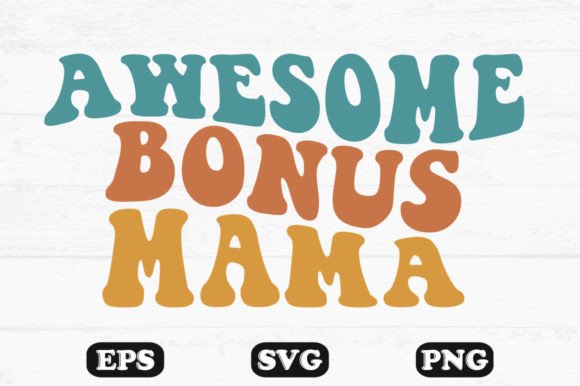
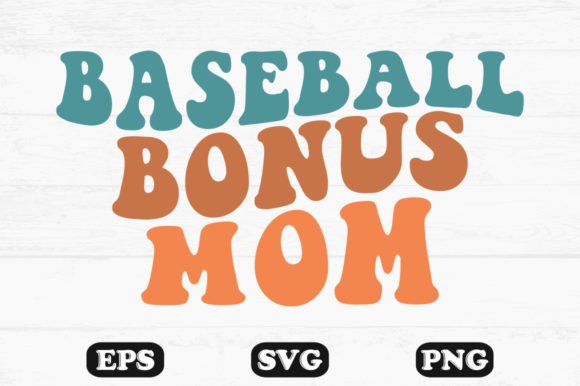
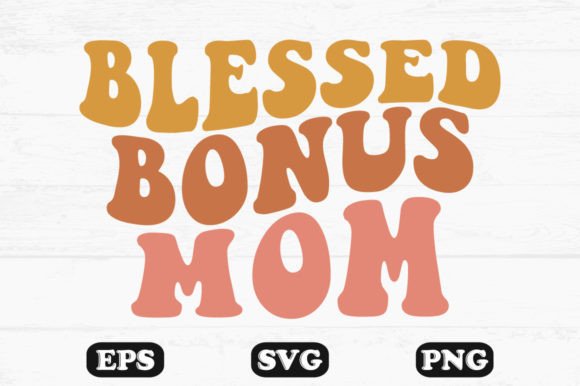
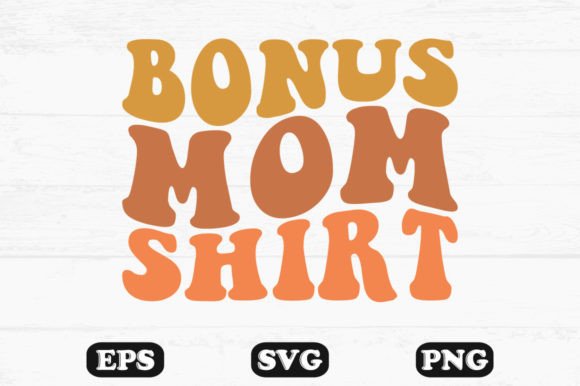
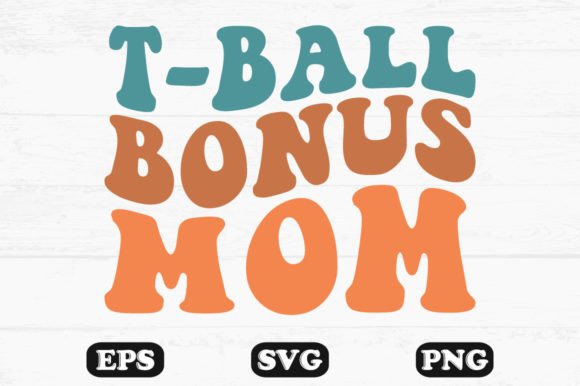
The wavy, retro treatment of the “Bonus Mom” text is the standout feature. It’s not just a font; it’s a graphic with a built-in vibe. This isn’t a stern, formal script—it’s relaxed and friendly. The design evokes a sense of appreciation and casual joy, which is exactly the emotion you want to convey for a bonus mom. It feels like it belongs on a cozy, well-loved item, something meant to be worn or used regularly, not just displayed. The layout is straightforward, focusing on the text itself, which means it’s adaptable. The detail level in the wavy effect will be key in embroidery—it needs to be rendered cleanly to maintain that vintage charm.
Where This Design Naturally Belongs
My mind goes straight to personalized gifts and small shop merchandise. Imagine a custom embroidered sweatshirt for a woman who has embraced a stepchild’s T-ball team. Or a simple, elegant tote bag she can carry to games. It would be beautiful on the corner of a tea towel or a pillow cover for a nursery, creating a subtle, personal touch in a child’s space. For a craft business or Etsy seller, this design speaks directly to a niche: families celebrating non-traditional parental roles. It could anchor a whole line of products—caps for the sporty bonus mom, aprons, even embroidered patches for a jacket. The theme is specific enough to be deeply meaningful but broad enough to fit many product types.
Performance in Real-Life Embroidery Projects
On custom apparel like t-shirts and sweatshirts, the wavy text will need careful attention to stitch density. On lighter fabrics, a satin stitch for the letters could look gorgeous, but you must ensure the design isn’t too dense, which could make a t-shirt stiff. For a tote bag or apron made of heavier cotton, you have more leeway for a fuller fill stitch. Embroidered on a baby item, like a blanket corner, using softer running stitch outlines might be safer for delicate fabrics and frequent washing. This design isn’t overly large or complex, so it’s suitable for standard hoop sizes you’d use for a shirt pocket area or a bag panel.
For commercial embroidery projects, such as a small batch of caps for a boutique, the clean lines should translate well, even on the curved surface of a cap, provided the smaller details of the wave pattern are tested first. As a digital embroidery file, its value for sellers is in its clear emotional appeal—it helps you create products that feel personal and premium, enhancing customer trust and the handmade presentation.
Where to Use with Extra Care
This design requires thoughtful application in a few scenarios. On very textured fabrics, like some sweaters, the wavy details might get lost. On thin or stretchy fabric, stabilizer choice is critical to prevent distortion of those fluid letter shapes. If stitching onto dark fabric, thread color contrast is paramount—a bright, warm color palette would help the retro feel pop. The tiny intricacies within the wavy effect need inspection; on a very small hoop size, some of that personality might blur. Also, for products destined for frequent, heavy washing—like kitchen towels—consider a simpler stitch approach to ensure longevity.
Affecting Visual Appeal and Customer Engagement
When stitched well, this design elevates a product. It turns a simple sweatshirt into a custom, emotional gift. The clarity of the stitching directly impacts perceived value—a crisp, clean wavy text looks professional and intentional. For a small business owner, using such a design consistently across a product line (totes, shirts, pillows) can build brand consistency around themes of family and celebration. Its giftability is high; it’s recognizable and speaks a clear message of appreciation, which drives buyer engagement in a craft fair or Etsy listing. It feels less like generic merchandise and more like a thoughtful creation.
Practical Notes for Embroidery Designers
Before committing this to a client project or your own shop inventory, always test the embroidery file on scrap fabric first. Use the same material you plan for the final product. Check how the wavy details render with your chosen thread colors and stitch types. Review the stitch density in your software preview—does it look appropriate for your target fabric? Confirm your hoop size can accommodate the design without needing excessive resizing, which can alter the proportions. Inspect the small details; sometimes, SVG graphics need slight adjustments for optimal machine embroidery.
I also recommend testing the design in black and white mockups to judge its form, and comparing how it looks on both light and dark fabric backgrounds digitally. This helps plan your thread palette. Use proper stabilizer for the project; a design with flowing lines like this can puckering on unstable fabric. Crucially, before selling finished items or using it in commercial embroidery, confirm the licensing terms of the graphics bundle. Ensure your use—whether for physical products or digital product previews—is covered.
The T-ball Bonus Mom Wavy Retro Svg T-shirt design is a strong craft asset. Its retro warmth is perfectly suited for embroidery, translating digital graphics into stitched sentiment. For makers targeting the personalized gift market, it’s a design that stitches a story, and that’s always a valuable tool in your creative business.