A Designer's Review: Using the "World's Best Mom" Design
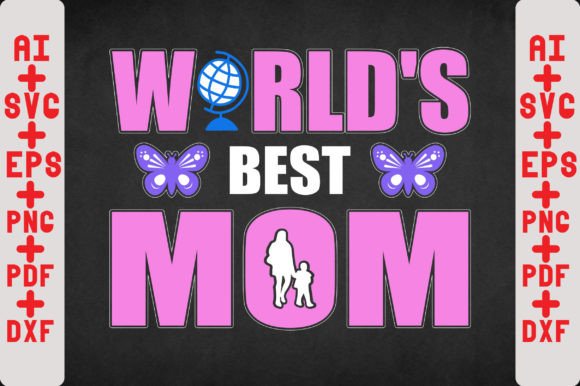
When a design file titled "World's Best Mom" lands on my desk, my first question is always practical: how will this translate into a real, stitched product that a client will love? It’s not about the pixels on screen; it’s about the thread on fabric. This particular design, with its classic and heartfelt sentiment, immediately suggests a specific mood. It feels warm, celebratory, and universally appreciative. The layout, typically centered around that proud declaration, is straightforward and confident—a personality that leans toward traditional gift-giving rather than trendy abstraction. For an embroidery designer, this means the project naturally belongs to personalized gifts, boutique keepsakes, and items meant to convey genuine affection.
The Real-Life Embroidery Scenario: A Custom Tote Bag
Picture a common project for a small shop: a custom embroidered tote bag for Mother’s Day. You’re considering using this "World's Best Mom" design. The first impression is that it’s a strong, clear statement. In execution, the success hinges entirely on stitching clarity. On a tote bag’s often-textured canvas, the lettering needs to be bold enough to read clearly but not so dense that it becomes stiff and heavy. The design’s detail level, as seen in the digital file, must be assessed for this. Will small decorative accents, if present, survive being translated into satin stitches or fill stitches on a sturdy fabric? The answer dictates the product’s final value and customer trust. A clean, professional embroidery result here elevates a simple tote into a cherished handmade product.
Where This Design Performs Brilliantly
This "World's Best Mom" embroidery file finds its home in projects where recognition and sentiment are key. For client work or your own craft business merchandise, think of sturdy, stable surfaces. Pillow covers, tea towels, and aprons are excellent candidates—the fabric provides a stable base, and the item’s use aligns perfectly with the message. For apparel decorators, a sweatshirt or a durable cap offers a good canvas, provided the fabric isn’t too stretchy. As a personalized gift, embroidered onto a baby blanket or nursery decor item, it becomes a heartfelt heirloom. The design’s universal appeal makes it a reliable choice for holiday gifts, wedding gifts for mothers, and general small shop products. It engages buyers because it speaks directly to a deep emotional connection.
Caution and Consideration for Stitching Success
Not every project is a perfect fit. This is where practical design judgment comes in. The "World's Best Mom" design should be used carefully on certain items. If the digital design has tiny lettering or intricate details, avoid small hoop sizes and problematic fabrics. Thin or highly stretchy fabrics can distort the message. Dark fabric backgrounds require meticulous planning for thread color contrast—a white or light script might need a bold underlay or different color choices to pop. On curved surfaces like caps, the layout must be tested to ensure it sits correctly without awkward gaps in the stitching. For products destined for frequent washing, like kitchen towels, stitch density matters; too dense and it may crack over time. Always test on scrap fabric first.
How the Design Affects Your Craft Business
From a commercial perspective, using a design like this isn’ just about making a single item. It’s about brand consistency and professionalism. If you’re an Etsy seller or digital product seller offering finished goods, the quality of the embroidered result is your reputation. A clean, well-executed "World's Best Mom" patch or sweatshirt embroidery tells customers you care about craftsmanship. It enhances giftability and the overall handmade presentation. For those using it in printable mockups or as part of their design assets for digital sales, clarity in the preview is crucial. The design must look like it will stitch well, because savvy buyers are judging that potential.
Practical Notes from the Embroidery Hoop
Before you load this machine embroidery design for a real project, here are my grounded notes. Always, always test it on a scrap of your target fabric. Check thread color contrast against both light and dark backgrounds—sometimes a design file looks great in black but needs adjustment in white. Review the stitch density in the file if possible; very dense fills can be tough on delicate fabrics. Confirm your hoop size can accommodate the design comfortably, allowing for proper stabilizer use. Inspect any small details; will they be clear or become a blur of threads? It’s wise to test the design in a simple black and white mockup to see its bare structure.
Finally, since this is a digital file provided for crafts and graphics, confirm the licensing before selling finished items. The product description indicates it’s for use on T-shirts, accessories, pillows, and more, but clarity on commercial use is essential for your business. Use proper stabilizer for the fabric texture, and remember that this design’s strength is its emotional message. When stitched with care on the right product, it becomes more than an graphic—it becomes a professional, commercial embroidery project that resonates deeply.