A Designer's Honest Review: Using Mama Girl Mom Svg for Embroidery
The First Impression: Warm, Direct, and Uncomplicated
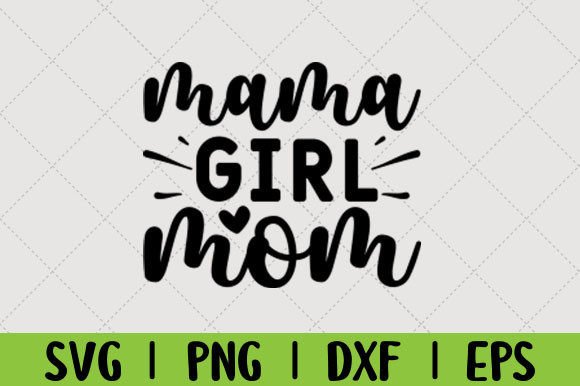
Opening the Mama Girl Mom Svg, the immediate feeling is one of straightforward warmth. The design has a clear, confident personality—it's not overly ornate or trying to be too clever. The layout is simple and centered, which in embroidery, is often a gift. This means less fussing with placement on a curved cap or aligning perfectly on a tote bag panel. The theme is universal, but the execution feels modern enough that it wouldn’t look dated on a contemporary sweatshirt. For an embroidery designer, this is a promising start: a design that communicates its mood instantly and doesn’t fight with the fabric.
Where This Embroidery File Finds Its Natural Home
In practical terms, this design belongs on items where the sentiment is the star. I picture it immediately on a cozy, cream-colored sweatshirt for a holiday gift, or as a small, sweet motif on a baby’s blanket corner. The scale and detail level suggest it would shine on medium-sized projects. Think of a custom embroidered apron for a boutique kitchen shop, or a neatly stitched pillow cover for a nursery. It’s a strong candidate for personalized gifts—a tote bag for a mother, a tea towel in a gift basket. For small business merchandise, like an Etsy seller specializing in mom-themed apparel, this file could become a reliable, go-to asset for consistent branding.
A Real-Life Scenario: Crafting a Boutique Tote Bag
Let’s walk through a real case. A client requests a custom embroidered tote bag for her mother, something sturdy and beautiful for everyday use. I load the Mama Girl Mom Svg, thinking about fabric texture. A canvas tote has a pronounced weave. Here, the design’s clarity is key; simpler shapes with good definition will stitch cleaner on textured fabrics. I’d likely opt for a satin stitch for the main lettering to give it a smooth, premium look that elevates the handmade product. The outcome? A tote that feels professional, heartfelt, and durable—exactly what builds customer trust and repeat business.
Performance Across Real Embroidery Projects
For custom apparel like t-shirts and sweatshirts, stitch density becomes a consideration. On stretchy fabric, a design with overly dense fills can pucker or distort. The apparent simplicity of this SVG suggests manageable stitch counts, but as always, testing on scrap fabric is non-negotiable. On dark fabric backgrounds, thread color contrast is paramount; a bright white or a soft pastel would make this pop. For embroidered patches, the design’s borders and corners need to be crisp—a detail I’d inspect closely in a black and white mockup before committing.
On curved surfaces like caps, the centered layout is again advantageous, minimizing distortion. For baby clothes or delicate blankets, using a gentle running stitch for decorative accents might be preferable to keep the item soft. In all these scenarios, the design’s visual appeal hinges on execution: proper stabilizer, correct hoop size, and thoughtful thread choices. Done well, it increases the perceived value of the finished product, making it look giftable and professional.
Caution Areas: Where to Proceed with Care
Despite its friendly demeanor, any embroidery file requires strategic use. If the design contains very tiny lettering or intricate details, I would be cautious about scaling it down for a small hoop size. Those elements might lose stitching clarity and become blurry. Applying it on thin fabrics without adequate stabilizer support could lead to ugly puckering. Similarly, on items destined for frequent washing, like kitchen towels or everyday apparel, I’d ensure the stitch density is robust enough to withstand wear without fraying.
For commercial embroidery projects or for digital product sellers creating printable mockups, the foundational step is always confirming the licensing terms. The product description notes it’s a digital file for cutting machines, so clarifying its suitability for machine embroidery design and its commercial use policy is essential before selling any finished product or using it as a design asset in a craft business.
Practical Notes from the Hoop
My standard process for a new file like Mama Girl Mom Svg always includes:
- Testing on a scrap of the target fabric first—always.
- Checking thread color contrast against both light and dark backgrounds.
- Reviewing the stitch density in the embroidery file preview to gauge its weight.
- Confirming the minimum recommended hoop size for clean results.
- Inspecting any small details to see if they need slight adjustment for my specific machine.
- Using proper stabilizer for the specific fabric texture—no shortcuts.
These steps turn a good digital embroidery file into a great finished product. They safeguard the handmade presentation and ensure brand consistency across items.
The Final Stitch: Value for Makers and Entrepreneurs
Ultimately, the Mama Girl Mom Svg presents itself as a versatile graphics tool within the Crafts category. Its strength is in its direct emotional resonance and adaptable layout. For embroidery designers and creative entrepreneurs, it’s a design that can serve multiple purposes: a quick, beautiful holiday embroidery for gifts, a reliable element for a small shop product line, or a clean asset for boutique branding. Its success in any embroidery project, from a simple cap to a commercial embroidery run, depends on that careful, professional preparation. When executed with attention to fabric, thread, and technique, it creates a product that feels authentic, engaging, and beautifully made—which is exactly what both makers and their customers are looking for.