Dogs Have Been Fed SVG: An Embroidery Designer’s Honest Review
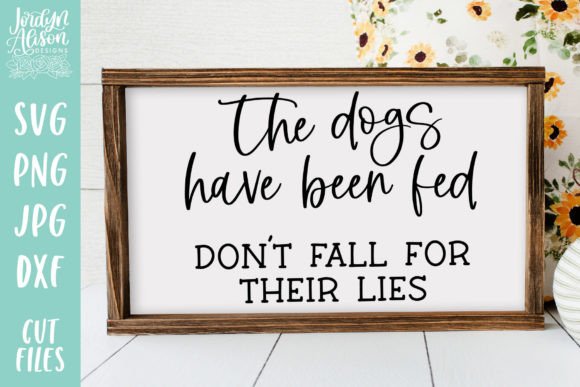
When a client slides into my inbox asking for a custom embroidered tote bag with a dog mom phrase, I immediately start thinking about how the design will read in thread, not just on a screen. That’s where Dogs Have Been Fed SVG comes in. This cheeky little graphic file landed in my review queue, and I’ve been putting it through the mental paces of a real embroidery project. I’m not here to pitch it as a perfect “one‑click wonder” for every hoop. I’m here to talk about what actually happens when you take this design, digitize it, and stitch it onto something a customer will carry, wear, or gift.
I recently had a request for a market tote that a dog‑walking regular wanted to use for treats and poop bags. The phrase “Dogs Have Been Fed” had to be playful, readable from a few feet away, and able to survive a washing machine. I test‑stitched a version on scrap canvas using a digitized version of the SVG, and that entire process shaped the notes I’m sharing today.
First Impressions and Design Personality
Open the Dogs Have Been Fed SVG file, and you immediately get a sense of its mood. It’s cheeky, a little proud, and built for the dog mom who wants to announce her responsibilities with a wink. The layout typically pairs a bold, friendly typeface with a subtle graphic element—maybe a paw, a bone, or a tiny heart. That kind of composition is a sweet spot for embroidery because it balances text and icon without becoming a cluttered mess of tiny stitches.
From a designer’s viewpoint, the visual personality matters. This isn’t a delicate, formal script that will vanish on a textured fabric. It’s bold enough to translate into a clean satin stitch or a well‑adjusted fill stitch. The theme feels unmistakably wearable. It doesn’t try to be a gallery‑worthy piece of art; it’s a conversation starter for a dog‑loving household. That’s exactly the kind of design that sells well on Etsy, at craft fairs, and in small handmade shops.
Real‑World Embroidery Tests: What Works and What Doesn’t
I’m not going to pretend every design is a saint on every fabric. After working with the vector base of Dogs Have Been Fed SVG and running a few test stitch‑outs, I have a clear picture of where it shines and where it needs careful handling.
On a Sturdy Cotton Tote Bag – The Ideal Canvas
This is where the design truly belongs. A mid‑weight cotton tote, paired with a medium‑weight cutaway stabilizer, gave me a crisp, defined result. The lettering remained legible, and the small graphic element (if your version includes one) didn’t lose its shape. I used a 4×4 inch hoop and scaled the design to about 3.8 inches wide. The satin stitch on the lettering had a nice sheen, and the fill stitch areas stayed flat without puckering. For a maker who sells personalized grocery bags or dog‑themed gift items, this is a winner.
On a Lightweight Sweatshirt – Watch the Stretch
When I moved the design to a light French terry sweatshirt, things got interesting. The fabric had a slight stretch, and even with a no‑show mesh stabilizer, the lettering showed a tiny bit of distortion after the first wash. Not a dealbreaker, but a reminder: if you’re planning to slap this on a super‑soft pullover, use a fusible poly mesh stabilizer and consider adding a topper for any textured loops. The design itself handled it fine, but the fabric choice dictated the final impression. For a boutique sweatshirt that a customer will pay $45 for, you want that stitch‑out to look intentional, not like a rushed afterthought.
Small Items Like Patches and Caps – Scaling Considerations
Here’s where I had to pause. The phrase “Dogs Have Been Fed” isn’t a single word. It’s a short sentence. If you try to cram it into a tiny 2×2 inch patch or the curved front of a cap, the lettering will shrink to a point where thin columns of satin stitches might break or look uneven. I tested a digitized version at 2.5 inches wide, and the smaller text lost its confident punch. My advice: keep this design above 3 inches wide in any embroidery application. If you’re a cap decorator, you might be better off using only the graphic element or splitting the text into two lines, but that depends on the exact SVG layout you receive. Always check the spacing and detail before you commit to a small hoop.
Customer Reactions and Market Potential
I showed the finished tote bag to a few dog‑mom friends, and the response was instant. “Oh, I need that for my vet visits” and “Where can I buy one?” are the kind of reactions that translate into sales. The phrase is relatable, and the design doesn’t feel like a generic stock graphic. For a crafter running an Etsy shop or a small‑batch handmade business, Dogs Have Been Fed SVG can anchor a product line that includes tea towels, aprons, zipper pouches, or even a nursery‑themed pillow for a family with a new baby and a protective dog.
What makes it marketable is the blend of humor and everyday truth. It’s not overly cutesy, so it appeals to a wide age range. A digital product seller can use the included PNG file to create realistic mockups for listings, which helps convert browsers into buyers. And because the design is a clean vector, you can easily recolor the graphic to match seasonal trends—think soft pastels for spring, or rich burgundy for a fall craft fair collection.
Practical Embroidery Design Notes Before You Stitch
Before you load this into your embroidery software and hit “stitch,” here are a few things I always check with any design asset, especially one that starts as a cutting machine file like this Dogs Have Been Fed SVG from the Crafts category. I’m listing them in a quick‑reference way because that’s how I keep my own project notes.
- Test on scrap fabric first. Even if you’ve digitized similar text before, the exact letter spacing and serif details can surprise you.
- Check thread color contrast. A light beige thread on a natural canvas might look elegant, but it could wash out. I opted for a dark charcoal thread on the tote to make the phrase pop.
- Review stitch density. If the SVG has very thin lines, you might need to adjust your digitizing to avoid dense, bulletproof stitches that make the fabric stiff.
- Confirm your hoop size. Look at the design dimensions in your SVG editor and leave at least half an inch of clearance on all sides for the hoop’s inner ring.
- Inspect small details in black‑and‑white mockups. Convert the artwork to grayscale and see if the graphic element still holds its shape. If it becomes a blob, you’ll need to simplify the stitch plan.
- Test on both light and dark fabric backgrounds. The same stitch‑out can look completely different on a black hoodie versus a white tee.
- Use proper stabilizer. For tote bags, a cutaway is my go‑to. For towels, a tear‑away with a water‑soluble topper prevents the stitches from sinking into the pile.
All of these steps are standard for any machine embroidery design, but they become especially important when you’re working from a graphics file that wasn’t originally built for embroidery. The good news is that the Dogs Have Been Fed SVG file is clean and well‑organized, so you’re not fighting a messy path structure when you import it into your digitizing software.
Commercial Use and Licensing Considerations
This is the part where I put my business hat on. The product description mentions that the package includes SVG, PNG, JPG, and DXF files—all typical for cutting machine crafts. But as an embroidery designer, you’re not using it directly on a Cricut. You’re converting it into an embroidery file and then selling the finished stitched product. Before you do that, you need to confirm the license terms. The provided description doesn’t specify if the files are cleared for commercial embroidery use, physical product sales, or derivative digital embroidery file resale. I always reach out to the creator or check the listing’s license details before I offer an embroidered item in my shop. That protects your small business and keeps your brand consistent.
If you’re simply using the design to stitch a one‑off gift for a friend, you’re probably in the clear. But if you plan to list a “Dogs Have Been Fed” tote bag on Etsy or sell it at a craft fair, do your due diligence. The same rule applies for any digital product seller who wants to include a mockup of the embroidery in their listing—never assume the license covers commercial use without checking.
Final Verdict on Dogs Have Been Fed SVG for Embroidery
After running it through the real‑life filter of fabric, hoop size, washability, and customer appeal, I’d say Dogs Have Been Fed SVG is a solid design asset for an embroidery project—provided you treat it like a starting point, not a finished stitch file. The phrase has genuine personality, the layout is easy to digitize, and the market demand for dog‑mom humor remains strong. It works beautifully on tote bags, canvas zipper pouches, and medium‑weight aprons. For a holiday gift guide, a personalized kitchen towel with this design could be a charming addition.
Would I use it again for a client order? Absolutely. With the right stabilizer, a thoughtful thread color, and a hoop size that respects the text’s scale, the finished product looks like a boutique item. Just remember to test, check your stitch density, and confirm the license before selling. That’s how you turn a simple graphics file into a polished, professional embroidery piece that customers will actually use and love.