An Embroidery Designer's Take on We Hope You Brought Treats SVG
As someone who tests designs for embroidery, I’m always looking for files that hold up under thread, tension, and real-world wear. The We Hope You Brought Treats SVG caught my eye immediately because it carries that playful dog-mom energy without trying too hard. It’s the kind of sentiment that feels warm and a little cheeky—perfect for handmade gifts and boutique pet products. But I never take a cutting-machine SVG at face value when I’m thinking embroidery. The real question is whether this design can translate into stitches and still look professional on a finished piece.
I decided to run this one through my usual review process. What I found was a design that, with a little digitizing care, could become a reliable embroidery asset for a wide range of projects. Here’s how it actually performs when you move it from a screen to a sewing machine.
The Immediate Mood and Visual Personality
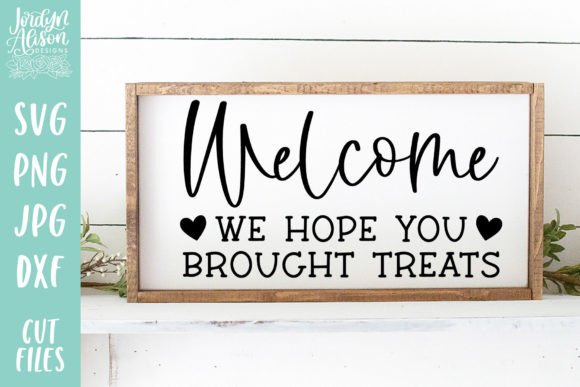
Opening the SVG, the first thing that hits is the friendly, conversational tone. The lettering feels like a gentle nudge from a dog who knows exactly where the treats are hidden. In my experience, designs that carry this kind of lighthearted message tend to sell well because they trigger an emotional response—smiles, recognition, and that “I need this on a sweatshirt” feeling. The layout is clean, with no overcrowded elements. The text is clearly the hero, and if there are any small paw or bone accents, they’re subtle enough not to distract from the message. That’s a plus for embroidery, because overly complex shapes can turn into a muddy mess of thread when sized down.
For an embroidery project, the mood of We Hope You Brought Treats SVG naturally fits casual apparel, kitchen towels, tote bags, and pet-related accessories. It’s not overly formal or seasonal, so it works year-round. I could see it on a canvas tote for a dog-walking bag, a cozy pullover for a dog mom, or even a small patch on a denim jacket. The design’s personality is consistent, which is critical for brand consistency if you’re selling finished products.
Breaking Down the Design for Embroidery Realities
When I evaluate a graphic for embroidery, I look at three things: line thickness, open space, and how well the elements will read in thread. The We Hope You Brought Treats SVG uses what appears to be a moderately bold, slightly playful font. That’s good news. Thin, delicate script fonts often require a satin stitch that can sink into fabric or pucker on stretchy materials. Here, the letter weight suggests a solid satin stitch with a width that will hold its shape on most stable fabrics. The message is short, so even at a 4x4 hoop size, the text should remain legible, though I’d caution against pushing it below 3.5 inches wide just to be safe.
If the design includes any small graphic elements—like a paw print or a bone—they need to be checked for minimum detail. In embroidery, tiny shapes smaller than 1.5 millimeters can turn into a single dense stitch that looks messy or, worse, breaks the needle. The SVG itself is a cutting file, so it’s not pre-digitized, but that gives you control. When you digitize We Hope You Brought Treats SVG, you can simplify those small accents into a clean running stitch or a very light fill, rather than attempting a dense satin that may distort.
Real-Life Project: The Custom Dog Mom Tote
Last week, a client asked me to make a personalized tote bag for her sister, who runs a small dog treat bakery. She wanted something that felt handmade but also looked like a boutique product. I immediately thought of this design. I digitized the SVG into a machine embroidery file, focusing on a soft satin stitch for the text and a light fill for an optional bone accent I added from my own library. The tote was a medium-weight cotton canvas, which is one of the easiest fabrics to work with because it’s stable and forgiving.
I hooped a piece of medium-weight cutaway stabilizer, tested the stitch-out on a scrap of the same canvas, and adjusted the pull compensation slightly. The text came out crisp, and the overall design had a relaxed, hand-stitched charm that the client loved. This is exactly the kind of project where We Hope You Brought Treats SVG shines—simple, message-driven, and easy to customize with a thread color that matches the bag lining. The finished product looked like it belonged in a small brick-and-mortar pet boutique, not just a craft fair table.
Where This Design Works Best in Embroidery
Not every design is a chameleon. This one has a clear personality, and I’ve found it works exceptionally well on a few specific product types:
- Custom sweatshirts and hoodies: The playful text is exactly what people want for casual, cozy apparel. Pair it with a soft pastel thread on a heather gray sweatshirt, and it’s an instant gift.
- Canvas tote bags: The flat surface and sturdy fabric show off the lettering without distortion. It’s a practical item that dog moms actually use.
- Embroidered patches: Digitized with a light edge and a merrowed border, this design becomes a sew-on patch that can be added to jackets, backpacks, or pet carriers.
- Kitchen towels and tea towels: A quick, high-impact project that sells well at craft shows. The design is small enough to fit in a corner or center placement.
- Baby apparel and nursery items: For families with dogs, a tiny version of this on a onesie or a bib is adorable and won’t feel out of place.
In each case, the key is matching the thread color to the fabric tone. Light thread on a dark fabric creates a striking contrast, but you’ll need to make sure the stitch density is tight enough to prevent the background from showing through. On light fabrics, a slightly darker thread keeps the design visible without overwhelming the text.
The Delicate Side: When to Use Caution
Even the best designs have their limits. With We Hope You Brought Treats SVG, I’d be cautious about a few situations that could compromise the final look:
- Very small hoop sizes: If you try to cram this into a 2x2 inch space, the text will become too fine and may lose legibility. Stick to 4x4 and above for the cleanest results.
- Stretchy athletic fabrics: Without the right stabilizer and a knock-down stitch underlay, the letters can shift and warp on spandex or performance knits. It’s not impossible, but it requires more testing.
- Thin, lightweight T-shirts: The satin stitch can pull the fabric if the stabilizer isn’t adequate. A water-soluble topper and a firm backing are necessary to prevent tunneling.
- Curved surfaces like caps: The design’s horizontal layout may not conform well to a structured cap front. You’d likely need to re-arc the text during digitizing, which changes the original design feel.
- Dark, heavily textured fabrics: A dense fill stitch can sink into terrycloth or fleece, so you’ll need to raise the stitch height and test thoroughly.
I always recommend stitching a test on an identical fabric scrap before committing to the final product. This is especially true if you’re selling the finished item, because a customer’s first impression is based on how clean the embroidery looks.
How It Holds Up for Craft Businesses and Etsy Sellers
From a business perspective, We Hope You Brought Treats SVG is a smart design asset. The message is broad enough to appeal to many dog owners, but specific enough to stand out in a sea of generic “Dog Mom” designs. I’ve noticed that buyers respond to designs that feel personal and authentic, not mass-produced. When you hand-digitize and stitch this design yourself, you’re adding a layer of craftsmanship that machine-cut vinyl simply can’t match.
For Etsy sellers, this design can be used to create a cohesive product line: matching tote bags, sweatshirts, and tea towels with the same embroidered message but different thread colors or fabric backgrounds. It also works well in product mockups if you’re selling digital embroidery files or printable templates. The clean layout means the design previews clearly, even in black and white, which helps with buyer trust.
Before you use We Hope You Brought Treats SVG for commercial embroidery, double-check the licensing terms. Many SVG files are sold for personal use only, and converting them to an embroidery format does not automatically grant commercial rights. The file set includes SVG, PNG, JPG, and DXF formats, so you have multiple reference options, but always confirm whether you can sell finished items made from the digitized design. This is one of the most overlooked steps, and it can protect your business from legal headaches.
Practical Embroidery Notes from the Workbench
Here’s the no-nonsense checklist I used when I digitized this design for my own project:
- Thread color contrast: I tested three thread colors on the fabric before stitching. A slightly darker shade than the fabric gave the best readability without being harsh.
- Stitch density: I kept the text satin stitch at a medium density to avoid puckering, and used a light underlay to stabilize the letters.
- Hoop size: I used a 5x7 hoop for the tote bag, but the design also fit comfortably in a 4x4 after a slight reduction.
- Small details: Any graphic accents were simplified to clean outlines with a running stitch, no dense fills.
- Stabilizer choice: Cutaway stabilizer for the canvas, adding a tear-away for extra support on the sweatshirt test.
- Fabric test: I stitched on a scrap of the exact tote canvas first, then on a ribbed knit cuff to check stretch performance.
- Black and white mockup: I printed the design in grayscale to see if the shapes were still legible without color. They were, which confirms good design structure.
If you’re new to digitizing, don’t skip the test phase. We Hope You Brought Treats SVG is forgiving, but every embroidery machine, fabric, and thread combination behaves a little differently. A few minutes of testing can save you from a half-finished product that looks off.
Why This Design Feels Right for Handmade Embroidery
There’s a quiet confidence to this design that I appreciate. It doesn’t rely on flashy graphics or overly trendy phrases. Instead, it captures a simple, relatable moment between a dog and their owner. In embroidery, that kind of sincerity translates beautifully because the thread adds texture and warmth that a flat print can’t convey. When I handed the finished tote to my client, she immediately said, “This looks like it was made with love.” That’s the reaction every handmade seller wants to hear.
We Hope You Brought Treats SVG might start as a cutting file, but with a thoughtful digitizing approach, it becomes a versatile embroidery design that can anchor a range of personalized products. Whether you’re stitching for a one-off gift, building your Etsy shop inventory, or filling custom orders for a craft fair, this design offers a solid foundation. Just remember to respect the limits of your equipment, test on the actual fabric, and always, always confirm your commercial rights before you sell.
In the end, the best embroidery designs are the ones that feel like they belong on fabric—and this one absolutely does.