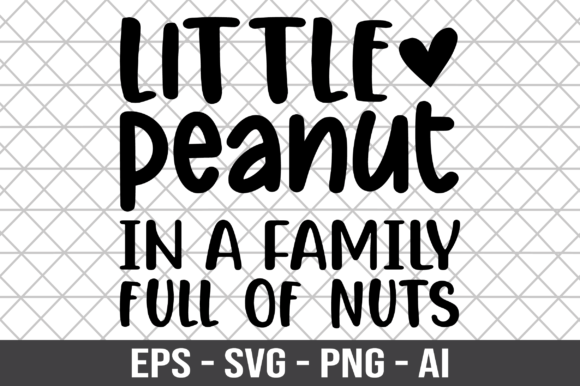
Little Peanut in a Family Full of Nuts Embroidery Review
When a design lands on my screen for a potential embroidery project, the first thing I look for is its personality. Little Peanut in a Family Full of Nuts has a gentle, playful charm that immediately feels warm and welcoming. The illustration’s shape is simple and rounded, giving it a soft visual personality that’s perfect for family-themed items and heartfelt gifts. As an embroidery file, its layout is clean and uncluttered, with a level of detail that promises good stitch clarity without becoming overly dense. This isn’t a loud, graphic statement; it’s a sweet, conversational piece.
The Perfect Project Match: Where This Design Thrives
Let me paint a real scenario. A client wants a custom embroidered tote bag as a baby shower gift. They want something unique, not a generic “It’s a Girl!” design. Little Peanut in a Family Full of Nuts lands perfectly here. Stitched onto a natural canvas tote, it creates a personal, boutique-quality feel. I envision it equally well on a soft cotton baby blanket or a simple cotton sweatshirt for a sibling. Its theme makes it a natural fit for nursery decor, personalized pillow covers, or a subtle accent on a kitchen apron in a family home.
For craft business owners and Etsy sellers, this design translates into high-value handmade products. An embroidered patch featuring this artwork, applied to a simple cap, becomes a charming, sellable item. Its universal family theme boosts its giftability—think holiday gifts, wedding presents for new parents, or personalized products for grandparents. In printable mockups for your online shop, the transparent PNG file provided allows for clean, professional previews that build customer trust and engagement.
Navigating the Stitch: Practical Performance Notes
In real-life embroidery situations, the design’s performance hinges on its preparation. Because it’s a vector file (you receive AI, EPS, and SVG), resizing is a breeze, which is crucial for adapting it to different hoop sizes and products. I’d strongly advise testing the embroidery file on scrap fabric first, especially if you plan to use it on textured fabrics like sweaters or on stretchy fabric for t-shirts. Check the stitch density in your software; a balanced fill stitch in the main elements should hold up well.
For dark fabric backgrounds, thread color contrast is paramount. The lighter, playful mood of the design might demand a brighter thread palette to maintain its visual appeal and stitching clarity. On curved surfaces like caps, the simpler shapes should behave well, but always use a proper stabilizer to prevent puckering. The design’s charm lies in its readability, so on smaller items like baby clothes, ensure your chosen hoop size keeps the details clear and not cramped.
Caution Areas: Where to Apply Careful Judgment
While versatile, there are places where Little Peanut in a Family Full of Nuts requires a designer’s careful eye. On very small hoop sizes, tiny lettering or extremely fine decorative accents might lose definition. If you’re considering it for layered garments with pockets or seams, or on thin fabric like a delicate tea towel, inspect how the satin stitch or running stitch areas translate—a test run is non-negotiable here.
For products destined for frequent washing, like everyday kitchen towels or children’s apparel, the integrity of the stitch becomes a priority. A well-digitized file should hold up, but again, testing on your intended fabric is the only way to guarantee a professional, lasting finish. This diligence directly affects your product value and brand consistency as a maker or small shop owner.
The Designer’s Checklist Before You Hoop Up
Before committing this design to a client project or your next craft fair product, run through these practical embroidery designer notes. First, check the thread color contrast not just on screen, but in a black and white mockup to gauge value differences. Compare how it looks on both light and dark fabric backgrounds in your editing software using the provided files.
Inspect the small details. Are there corners or areas that might become too dense? Adjust stitch settings if needed. Crucially, confirm the licensing terms for this digital embroidery file. The product description states it’s a design file for your projects, but you must verify if it’s cleared for both personal and commercial projects before selling finished items or incorporating it into commercial embroidery assets for your business. This protects your professionalism and buyer relationships.
Final Impression: From Digital File to Finished Product
Little Peanut in a Family Full of Nuts, from a crafts and graphics perspective, is a strong design asset. Its visual personality fosters a sense of handmade presentation and warmth. When stitched well, it elevates a simple item into a thoughtful gift or desirable boutique product. For apparel decorators and creative entrepreneurs, it offers a versatile theme that resonates with a wide audience, enhancing recognition and buyer engagement.
The key to its success lies in your application. Use it where its gentle mood fits—family-oriented gifts, personalized home goods, subtle branded merchandise for a family-focused small business. Avoid forcing it onto applications where its simplicity might be lost. With the practical steps of testing, stabilizing, and verifying licensing, this embroidery design can transition beautifully from a downloadable graphic to a cherished, professionally embroidered finished product.