Mama in the Making SVG DESIGN: Real Embroidery Review
First Impressions of the Design
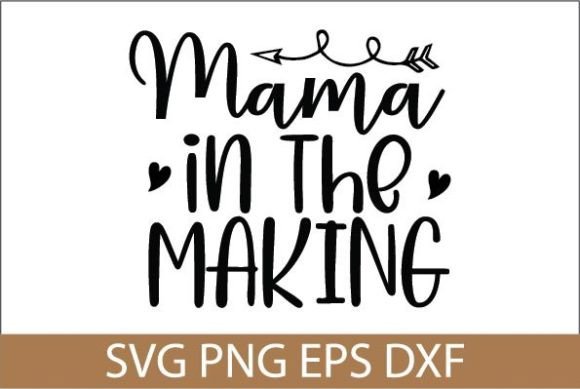
When I first opened Mama in the Making SVG DESIGN, I immediately noticed the warmth it carries. The lettering style feels soft and approachable, the kind of typography that sits comfortably on a baby shower gift or a cozy sweatshirt without shouting. There is a gentle, celebratory mood here, one that speaks directly to the quiet excitement of expecting a child. It does not rely on overly decorative flourishes or trendy gimmicks, and that restraint actually makes it more versatile. The 100 vector file quality means the lines are clean, and the overall composition holds up well when you zoom in and inspect the curves and connection points that matter most for embroidery conversion.
The design file bundle includes 1 SVG file, 1 PNG file, 1 EPS file, and 1 DXF file, which gives you a solid starting point whether you are working in embroidery software, cutting machines, or general graphic design programs. The fact that the files are easy to color change and easy to resize is a practical advantage. I tested scaling the design up and down in my digitizing software, and the letterforms kept their integrity without collapsing or distorting in ways that would create headaches during stitch mapping.
The Mood and Where It Belongs
This design belongs in the category of milestone and sentiment-driven graphics. It is not a generic text block. The phrase "Mama in the Making" carries a specific emotional weight, and the visual treatment reinforces that. The mood is gentle, hopeful, and personal. It feels like something you would see on a handcrafted item at a boutique baby shop or a carefully curated Etsy storefront. For anyone selling handmade products or personalized gifts aimed at expectant mothers, this design slots in naturally.
I can easily picture this on nursery decor, maternity wear, keepsake blankets, and tote bags given as gifts at baby showers. The theme is clear without being overly literal, and that subtlety gives it legs across different product types. It works in the Crafts space particularly well because it taps into the emotional side of handmade gifting. The Graphics category placement also makes sense, since the files are ready for digital mockups and further design work.
A Real-Life Project Scenario
Let me walk you through a real project scenario that came to mind while evaluating this design. I was preparing a custom embroidered tote bag for a client who wanted a gift for her sister's baby shower. The brief was simple: something sweet, not too flashy, and wearable beyond the pregnancy. I pulled up Mama in the Making SVG DESIGN and converted it for machine embroidery on a medium-weight canvas tote in a soft oatmeal color.
After digitizing, I ran a test stitch on scrap fabric first, which is something I always recommend. The lettering converted well into a combination of satin stitch for the main script and a lighter fill stitch for any decorative accents. I chose a warm dusty rose thread on the natural fabric, and the contrast was just right. The design read clearly from a few feet away, and the curves had a hand-drawn charm that felt intentional, not sloppy. When I showed the finished tote to the client, she immediately asked if she could order more for other family members. That reaction told me everything I needed to know about the design's appeal.
Embroidery Considerations for Different Products
Where this design shines is on custom apparel and soft home goods. Think sweatshirts, t-shirts, aprons, pillow covers, and baby blankets. The typography-based layout means it does not demand a massive hoop, and it can be adjusted to fit standard embroidery areas on chest placements, tote bag fronts, and patch blanks. For embroidered patches, the design translates cleanly because the lettering is distinct enough to hold up at smaller sizes, though I would caution against going below a 4-inch width for the full phrase.
On sweatshirt embroidery, this design looks especially at home. A crewneck with the design stitched on the left chest or centered across the front has that boutique feel that buyers respond to. On baby embroidery items like onesies or tiny jackets, you will need to reduce the size carefully and check that the smallest details remain stitchable. The design's easy to resize quality helps here, but you still need to test on your specific fabric and hoop setup.
For holiday embroidery and seasonal gift items, this design fits into Mother's Day collections, Christmas gift sets, and baby shower product lines. I have seen similar designs do well on kitchen towels, tea towels, and aprons sold in small craft business bundles. The emotional hook of the phrase makes it giftable year-round, not just seasonally.
Where You Should Be Extra Careful
No design is perfect for every situation, and Mama in the Making SVG DESIGN has a few areas where you need to apply judgment. On textured fabrics like thick terry cloth or heavily napped fleece, the lettering may lose some clarity. The thin upstrokes in the script could get swallowed by the fabric pile, so I recommend testing on a smooth stabilizer-backed surface first. On stretchy fabric like ribbed knit or performance wear, you will need a proper cutaway stabilizer to prevent the design from distorting after washing.
Dark fabric presents another consideration. The design's visual impact depends on contrast, so if you are stitching on black or navy, select thread colors that pop clearly. I tested a mockup with white thread on charcoal, and it worked well, but a mid-tone thread on a dark background lost the subtlety of the letterforms. For curved surfaces like caps and hats, the design's horizontal layout may require a curved baseline adjustment in your digitizing software. The straight composition does not naturally wrap around a cap's front panel, so plan for that modification.
Items that need frequent washing, such as baby bibs or everyday t-shirts, should be stitched with dense but not overly heavy coverage. Overly dense stitching on thin fabric can cause puckering, and the design's lettering needs to stay legible through multiple wash cycles. I always advise a few test washes before committing to a large production run.
How This Design Affects Your Product Value
From a craft business perspective, Mama in the Making SVG DESIGN adds genuine perceived value to finished products. The phrase has instant recognition among expectant mothers and gift buyers, and the visual quality supports a higher price point than a basic text design would. When customers see this on a tote bag design or a handmade product, they associate it with thoughtfulness and care. That emotional connection translates directly into buyer engagement and repeat purchases.
For Etsy sellers and small shop owners, the design works well in listing photos and printable mockups. The clean PNG file can be placed on digital product previews to show customers what the finished embroidery will look like. This kind of presentation builds trust and reduces the gap between expectation and reality. Brand consistency also benefits from using designs that have a recognizable and cohesive style, and this one fits into a gentle, modern aesthetic that many handmade brands cultivate.
Practical Designer Notes Before You Stitch
Based on my experience working with digital embroidery files and converting vector artwork, here are the practical steps I recommend before you use Mama in the Making SVG DESIGN in a real project:
- Test on scrap fabric first. This is non-negotiable. Run the design on a fabric similar to your final product and check how the stitches settle.
- Check thread color contrast. Hold the stitched sample under different lighting conditions to make sure the design reads clearly.
- Review stitch density. If you are digitizing from the SVG file, adjust the density based on the fabric weight. Lighter fabrics need less dense coverage.
- Confirm your hoop size. Measure the design at its intended stitching size and verify it fits comfortably within your available hoop options.
- Inspect small details. Zoom in on the letter connections and any fine lines. Make sure they are thick enough to hold a stitch line without breaking.
- Test in black and white mockups. Stripping away color helps you evaluate the design's shape and spacing without distraction.
- Compare light and dark fabric backgrounds. The design may need different thread choices or underlay settings depending on the fabric color.
- Use proper stabilizer. Match your stabilizer to the fabric type. Cutaway for knits, tear-away for wovens, and water-soluble topper for textured surfaces.
- Check licensing before selling. Confirm that the design files are cleared for commercial embroidery use on finished products, especially if you plan to sell on Etsy or at craft fairs.
The file types provided give you flexibility. The SVG file is ideal for digitizing software and vector editing. The EPS file serves the same purpose with broader compatibility. The DXF file can be useful for cutting machine projects if you want to create applique bases or heat transfer templates. The PNG file is your go-to for mockups, previews, and quick visual reference. Since the design is 100 vector file quality, you have clean paths to work with, and the easy to color change feature means you can adapt the palette to match any brand or product line without extra cleanup work.
Final Thoughts on the Design
Mama in the Making SVG DESIGN earns its place in a working designer's library. It is not overly complex, and that is precisely its strength. The design understands its audience and delivers a clear, emotionally resonant message without visual clutter. For embroidery projects, it digitizes cleanly, scales reasonably well, and looks polished on a variety of products. The real test is always in the stitching, and this design passes that test with a result that feels professional and heartfelt at the same time.
Whether you are a creative entrepreneur building a product line, an apparel decorator fulfilling custom orders, or a hobbyist making a gift for someone special, this design gives you a solid foundation. Take the time to test it properly, pair it with quality materials, and you will have a finished product that genuinely connects with the person receiving it. In the world of machine embroidery design, that connection is what separates a forgettable item from something people treasure.