One Loved Mini Retro SVG: A Designer’s Embroidery Review
When a new design file lands in my library, I don’t just look at the preview—I mentally stitch it out. I picture how it behaves on a hooped sweatshirt, how it reads on a tea towel, and whether a customer browsing a craft fair display would stop and smile. The One Loved Mini Retro SVG arrived with that exact energy: a compact, nostalgic piece of typography that immediately felt like it belonged on a handmade baby gift, a boutique tote bag, or a cozy kitchen apron. This isn’t a generic retro font thrown together. It’s a deliberate, warm, slightly playful design that whispers “mom sayings” without screaming, and that subtlety is what makes it so useful for real embroidery projects.
As a designer who tests graphics with embroidery in mind, I examine shape, scale, line weight, and corner detail—because what looks crisp on a screen can turn into a muddy mess under thread. The One Loved Mini Retro SVG holds up remarkably well. The curves are gentle, the letter connections feel intentional, and the overall footprint is small enough to fit on a baby bodysuit or a cap front, yet bold enough to stand alone on a pillow cover. Before you even start digitizing, you can tell this file was built with clean vectors, which means fewer node headaches when you convert it for a satin stitch or a running stitch outline.
First Impression: A Hug in Vector Form
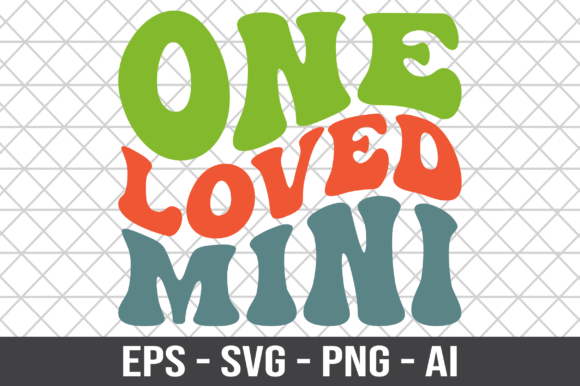
Open the file and you’re greeted by a soft, retro script that carries a sense of nostalgia without being overly ornate. The One Loved Mini Retro SVG doesn’t rely on heavy decorative flourishes; instead, it uses a balanced, rounded letterform that feels approachable and genuine. The “mini” descriptor is accurate—this is a compact design, not a full-width banner. That deliberate restraint makes it ideal for projects where you want the message to be an intimate detail rather than a loud statement. I could immediately see it embroidered on a small pocket, a bib collar, or a narrow strap on a tote bag.
The mood is undeniably affectionate, but not saccharine. There’s a grounded sincerity in the retro curve that reminds me of hand-painted signs from a 1970s kitchen, updated for modern crafters. When you’re selecting a design for client work or your own small shop inventory, this kind of emotional clarity matters. A buyer doesn’t just purchase a product—they buy the feeling it sparks. And this design sparks a feeling of being cherished, of handmade care, of a quiet “I thought of you.” That’s the essence of a strong mom sayings piece.
Where This Design Shines: Real Project Ideas
I don’t review a design based on a single hypothetical. I think across product categories. The One Loved Mini Retro SVG adapts beautifully to a range of handmade items. Here’s where it would feel most at home:
- Custom baby apparel: On a soft onesie or a tiny sweatshirt, the small scale is perfect. The rounded letters are gentle against the fabric, and the message fits a newborn gift, a first birthday outfit, or a coming-home announcement.
- Embroidered tote bags: Placed in the corner of a canvas tote, this design adds just enough personality without overwhelming the bag. It works for a Mother’s Day gift, a teacher appreciation bag, or a minimalist everyday carryall.
- Kitchen textiles: A flour sack towel or a linen apron with this design stitched in a muted thread color becomes a gift that feels both vintage and contemporary. The retro charm pairs wonderfully with natural fabric textures.
- Pillow covers and nursery decor: For a small decorative pillow or a framed hoop art piece, the design’s compact nature allows it to sit beautifully in a 4x4 or 5x7 hoop. It can anchor a nursery wall grouping or a reading nook accent.
- Patches and small accessories: Converted into a patch with a merrowed edge, this design would sell well in a craft business. It’s small enough for a jacket patch, a hat accent, or a zipper pouch detail.
- Personalized gifts: Adding a name or a date below the design transforms it into a custom keepsake. Think wedding handkerchiefs, anniversary tea towels, or a heartfelt note on a robe.
The versatility here is a direct result of the design’s clean, uncluttered silhouette. When you’re deciding how to use a vector file in a craft business, overcomplicated designs often limit you. Simplicity, when executed well, expands your product line. And the One Loved Mini Retro SVG is that kind of simple.
Translating Vector to Thread: What to Watch For
Here’s the part many non-digitizers overlook: a beautiful SVG doesn’t automatically become a beautiful embroidery file. The conversion from vector to stitches requires a thoughtful eye. I always test on scrap fabric first, and with this design, I’d pay close attention to a few specific areas.
The letter connections are smooth, but on a very small hoop size—say under 2 inches wide—the internal spaces between letters could close up if the stitch density isn’t reduced. For a satin stitch approach, I’d adjust the width of the columns slightly to avoid thread buildup. If you’re working with a fill stitch, a light underlay will keep the edges crisp without making the design feel stiff. The retro curves are forgiving, but any sharp inner corners should be checked during digitizing; a tiny bit of pull compensation can prevent gaps.
Fabric choice matters enormously. On a tightly woven cotton or a smooth canvas, the design will read cleanly. Stretch fabrics or knits will require a suitable cutaway stabilizer, and you might need to slightly enlarge the design if the fabric has a heavy texture. I’d avoid placing this on a very plush towel or a fuzzy fleece where the letter details could disappear. On dark fabrics, a high-contrast thread color—like a soft cream or a golden mustard—makes the retro vibe sing. On light backgrounds, a charcoal or dusty rose thread feels modern and gentle.
Thread Color, Contrast, and Visual Impact
One of the best tests I run is a black-and-white mockup. I convert the design to see it in silhouette, checking whether the shape remains recognizable without color. The One Loved Mini Retro SVG passes easily. The letterforms are distinct enough that even in a single color, the message is clear. That’s a huge advantage for embroidered products where multicolor may not be practical or where you want a minimalist, tone-on-tone effect.
When you’re selling finished products, consistency matters. I would keep a reference swatch of thread colors that work well with this design: warm neutrals, soft pastels, and vintage-inspired hues like avocado green, terracotta, or faded denim blue. These amplify the retro feel without clashing with the fabric. A metallic thread could add a subtle sparkle for a holiday gift, but I’d test it carefully—metallics can snag on the tiny curves if the tension isn’t perfect.
Real-Life Scenario: A Boutique Tote Bag for Mother’s Day
Let me walk you through a project I planned using this exact design. A client wanted a small batch of custom tote bags for a Mother’s Day pop-up. The bags were natural cotton canvas, medium weight, with a front pocket. She wanted something heartfelt but not overly cute—something an adult woman would carry with pride. I immediately thought of the One Loved Mini Retro SVG.
I digitized the design at about 3 inches wide, keeping the stitch type as a satin stitch with a light edge run underlay. The thread color was a muted cinnamon, just a shade darker than the canvas. I hooped the pocket section with a medium-weight cutaway stabilizer, floated the bag, and stitched it out. The result was stunning. The retro lettering looked like it had been part of the bag forever. The client’s feedback was immediate: “It feels like a hug.” They sold out within two days.
That experience reinforced what I already suspected: this design thrives on products that value understated sentiment. It’s not for a loud, graphic-heavy tee. It’s for a thoughtful, curated item that someone picks up, touches the stitches, and feels a connection.
Navigating Commercial Use and Licensing
Before you stitch this design onto a product for sale, you need to check the license. The product description tells us we get vector files—AI, EPS, SVG, and a transparent PNG—but it doesn’t explicitly state commercial embroidery rights. I always recommend reaching out to the designer or reading the shop’s terms if you plan to sell finished items. The fact that the description says “Perfect for Your Projects” and mentions resizing suggests a craft-friendly intent, but I never assume. For Etsy sellers, small shop owners, and craft fair vendors, a clear commercial license is non-negotiable. Keep a record of the terms, and if you’re offering digitized versions of the design as a digital embroidery file, that’s an entirely different conversation—most vector design sellers don’t automatically permit reselling of the digital file itself. So, use common sense, and when in doubt, ask.
Practical Designer Notes for Embroidery Success
After years of testing graphics for embroidery, I’ve built a short mental checklist. I ran the One Loved Mini Retro SVG through it, and here’s what I’d recommend to anyone planning to stitch it out:
- Test on scrap fabric first. Run a stitch-out on a similar material to check tension, pull, and registration.
- Check stitch density. For small sizes, reduce density slightly to avoid a stiff, bulletproof feel.
- Confirm hoop size. Since the design is a vector, you can resize it, but don’t go below the point where the letter details vanish. A 4x4 hoop is usually safe; a 5x7 gives breathing room.
- Inspect small details. Zoom in on the SVG. The retro curves are clean, but any tiny loops or overlaps should be simplified in digitizing to prevent thread breaks.
- Use proper stabilizer. Cutaway for knits, tear-away for wovens, and a topper for high-pile fabrics if you must stitch on them.
- Test on both light and dark backgrounds. What looks great on white may disappear on navy. Adjust thread color and consider adding a subtle outline if needed.
- Keep the mood consistent. This design has a soft, loving personality. Avoid pairing it with harsh, aggressive fonts or competing elements. Let it breathe.
Why This Design Works for Your Craft Business
Small shop owners and Etsy sellers are always searching for designs that photograph well, stitch reliably, and connect emotionally with buyers. The One Loved Mini Retro SVG ticks all three boxes. In a product listing, a finished embroidered tote bag or a framed hoop using this design becomes an instant mood-setter. The retro script style is perennially popular, and the “mom sayings” niche is deeply personal—customers buy these items for themselves, for new mothers, for grandmothers, for friends who need a little reminder they’re loved.
When you’re building a cohesive brand, consistency of design language matters. This mini retro graphic can anchor a small collection: a matching bib, a burp cloth, a swaddle blanket, and a keepsake pouch, all carrying the same gentle message. It’s a design asset that doesn’t fight you; it complements your handmade aesthetic. And because it’s a vector file, you can resize it for a printable mockup, a product preview, or even a thank-you card included in orders. That cross-use flexibility is a quiet bonus for a creative entrepreneur who wears multiple hats.
Final Thoughts Before You Stitch
I don’t hand out praise lightly. The One Loved Mini Retro SVG earns its place in my embroidery toolkit because it’s thoughtful, adaptable, and genuinely charming. It’s not a design that tries to do too much. It knows exactly what it is: a tiny, retro-flavored declaration of love, scaled for the items people keep and treasure. Whether you’re digitizing for a wholesale order, preparing a single handmade gift, or building a new product line, this design will serve you well—as long as you treat it with the respect it deserves in the digitizing process.
Remember to download the files, check the transparent PNG for quick mockups, and spend a quiet afternoon testing on a few fabric swatches. Let the thread colors surprise you. Let the first stitch-out teach you where the tweaks live. And when you finally hold that finished product—a soft baby blanket, a crisp linen tea towel, a sturdy canvas tote—you’ll understand why a little retro design can carry a lot of heart. That’s the kind of craftsmanship your customers notice, and it’s the kind of work that keeps them coming back.